Ottawa’s housing market gained momentum in May as the spring season progressed, but activity continues to trail the pace set last year.
A total of 1,616 homes sold in May, up significantly from April’s 1,336 sales. While this increase reflects the typical seasonal boost we expect during spring, sales remained 10.6% lower than May 2025. This trend has become a recurring theme throughout 2026: buyers are active, but many are taking a more measured approach.
Inventory remains one of the defining stories of today’s market. Active listings climbed to 4,917 homes, up more than 12% from last year. While additional inventory creates more choice for buyers, it also means sellers face greater competition and need to be strategic when pricing and marketing their homes.
Prices Continue to Hold Steady
Despite slower sales activity, Ottawa home prices have remained remarkably stable.
The average residential sale price reached $721,270 in May, up from April and just 0.9% below May 2025 levels. The median sale price rose to $660,000, showing similar stability.
However, not all property types are performing equally.
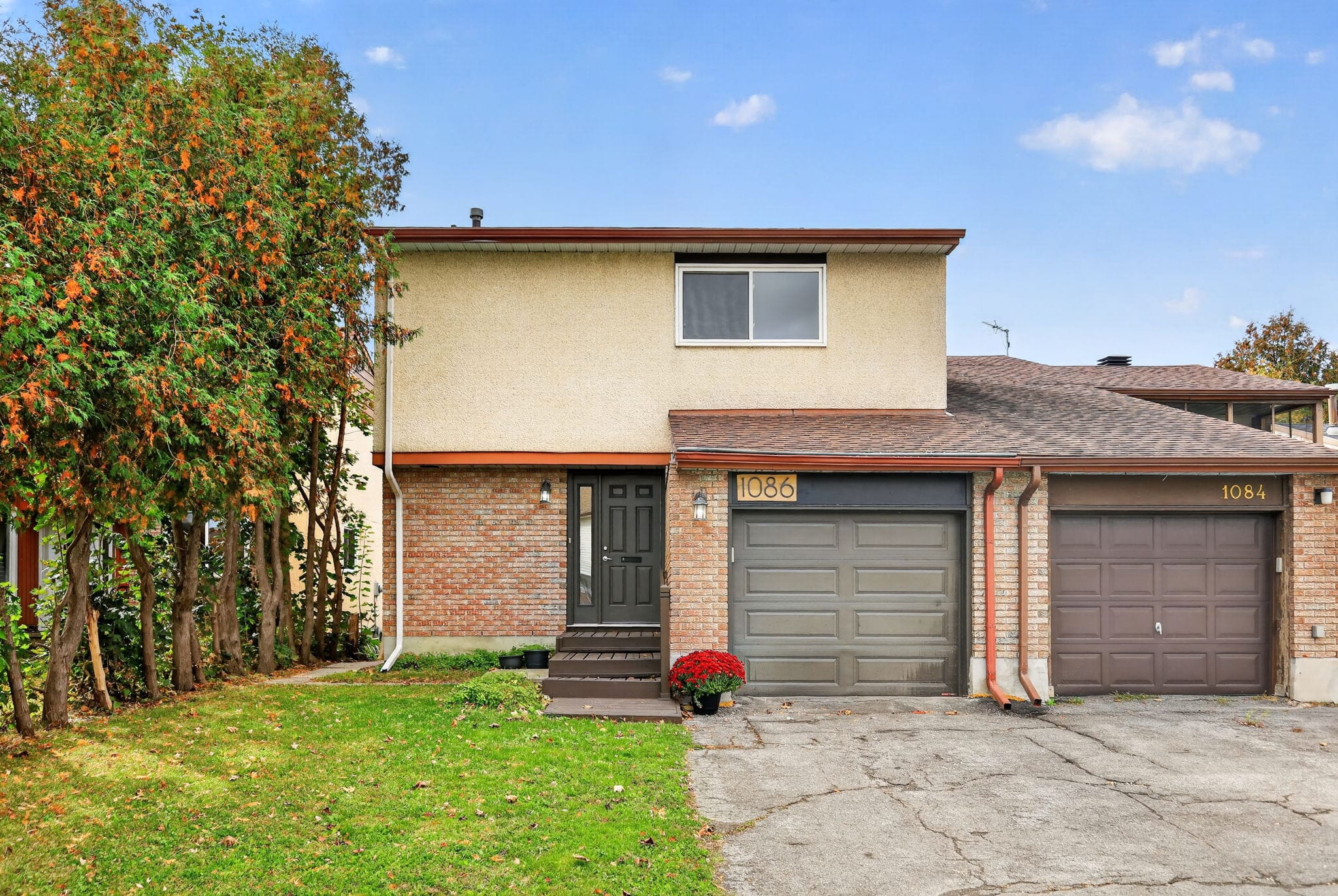
Single-family homes continue to be the strongest segment of the market. Benchmark prices increased slightly year over year, and median prices rose 1.3%, demonstrating continued demand from family buyers.
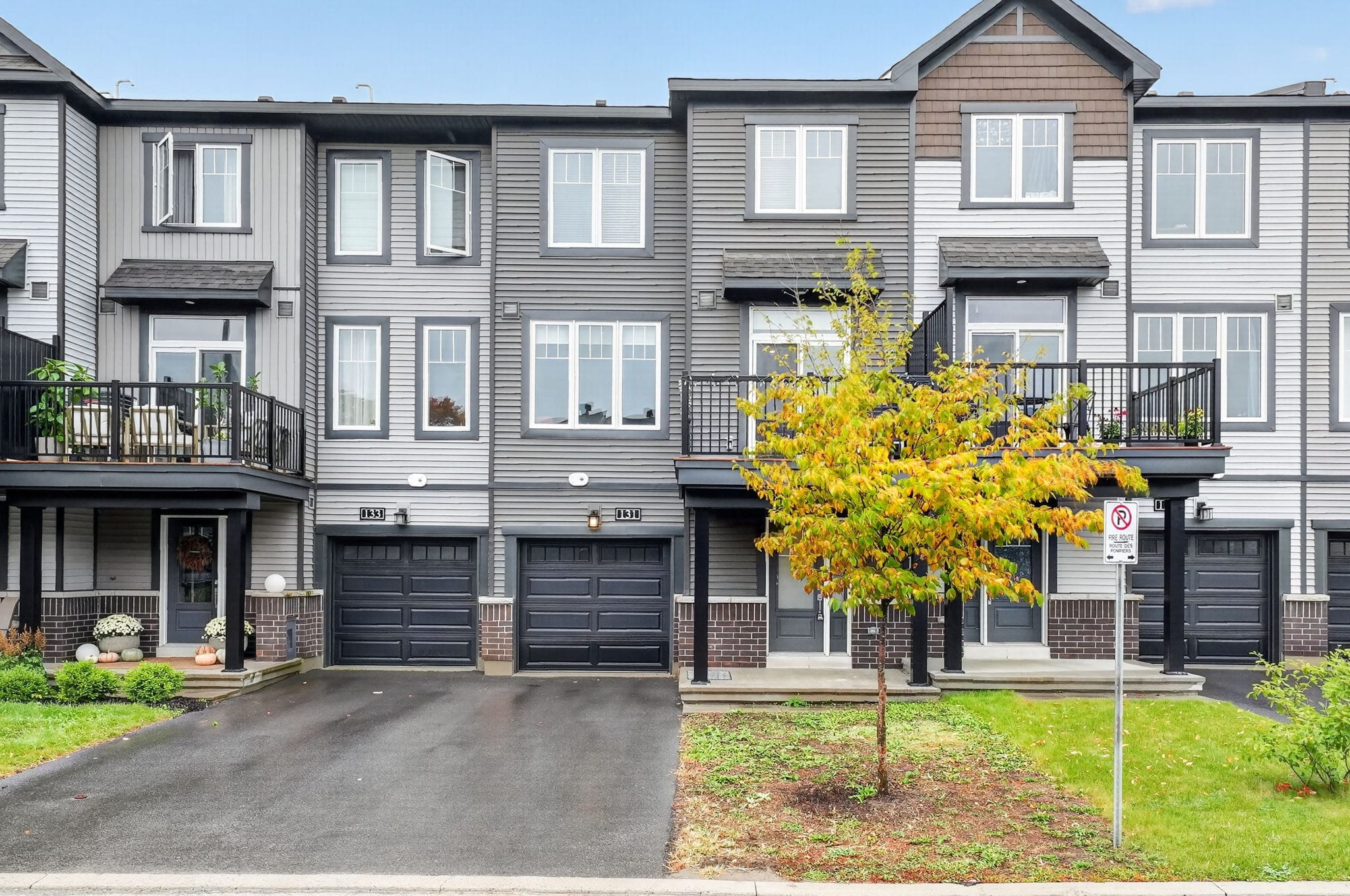
Townhomes experienced softer conditions in May, with sales and prices both trending lower compared to last year. While values have not fallen dramatically, elevated inventory has created a more competitive environment.
Apartment-style properties remain the softest segment of the Ottawa market. Condo benchmark prices were down 6.7% year over year, reflecting more cautious buyer demand and increased competition from rental housing options.
What We’re Seeing Across Ottawa
The market story varies significantly depending on location.
Ottawa Centre recorded stronger sales activity compared to last year, while Ottawa’s western suburbs continued to see some of the strongest buyer demand in the city. Rural markets showed mixed results, with some areas experiencing steady activity and others seeing slower absorption of available inventory.
The takeaway is clear: Ottawa is not moving as one market. Neighbourhood, property type, pricing strategy, and local competition are having a bigger impact on outcomes than broad citywide trends.
Looking Ahead
As we move into the summer market, the key question is whether buyer demand can continue to keep pace with available supply.
Inventory remains elevated, economic uncertainty continues to influence consumer confidence, and employment trends will be closely watched. At the same time, Ottawa’s market remains fundamentally balanced, with stable pricing and steady activity across many segments.
For sellers, accurate pricing and strong presentation remain critical. For buyers, increased inventory provides more choice and greater negotiating opportunities than we’ve seen in recent years.
If you’re considering buying or selling this year, understanding what’s happening in your specific neighbourhood and property segment matters far more than the citywide averages.
Every market tells a different story—and we’re here to help you understand yours.