As we closed out 2025, Ottawa’s housing market didn’t end with fireworks — it ended with something far more meaningful: stability.
December brought the usual seasonal slowdown in activity, but overall, the year finished slightly stronger than 2024, with total sales up 1.3% and total dollar volume up just over 4%. Prices remained broadly steady, and while buyer caution continues, the market is increasingly being shaped by fundamentals rather than urgency.
In other words, this is a market driven by real life — not rush.
A Year That Didn’t Follow the Script
Unlike the traditional spring-summer-fall pattern, 2025 unfolded a little differently.
Spring arrived late, summer stayed surprisingly consistent without the usual mid-season dip, and activity cooled again through the fall and early winter.
That pattern reflects what many buyers and sellers felt throughout the year: confidence returning slowly, with people taking time to make thoughtful decisions rather than reacting to market pressure.
More Choice for Buyers, Steady Conditions for Sellers
In December, 587 residential properties sold — right in line with long-term December averages when we exclude the unusually busy pandemic years.
Active listings dropped during the holidays, as expected, but overall inventory remains higher than what we were used to seeing a few years ago. In fact, year-end inventory in 2025 was:
• 19% higher than 2024
• 45% higher than 2023
• 89% higher than 2022
Months of inventory across the market now sits around 4.3 — much closer to pre-pandemic norms. This means buyers have more options and more time, while sellers are still benefiting from steady demand and relatively stable pricing.
Prices: Holding Steady, Not Running Hot
The average residential sale price in December was $658,943 — essentially unchanged from the same time last year.
Benchmark prices have eased slightly month-to-month since the summer, suggesting gradual price adjustment rather than sharp corrections. Average prices, meanwhile, continue to be influenced by the mix of homes selling, especially as detached homes remain strong.
Overall, pricing in Ottawa continues to show resilience compared to some larger Canadian markets that have seen more noticeable corrections.
Not All Homes Are Performing the Same
While the overall market is balanced, different property types are telling very different stories.
Detached Homes
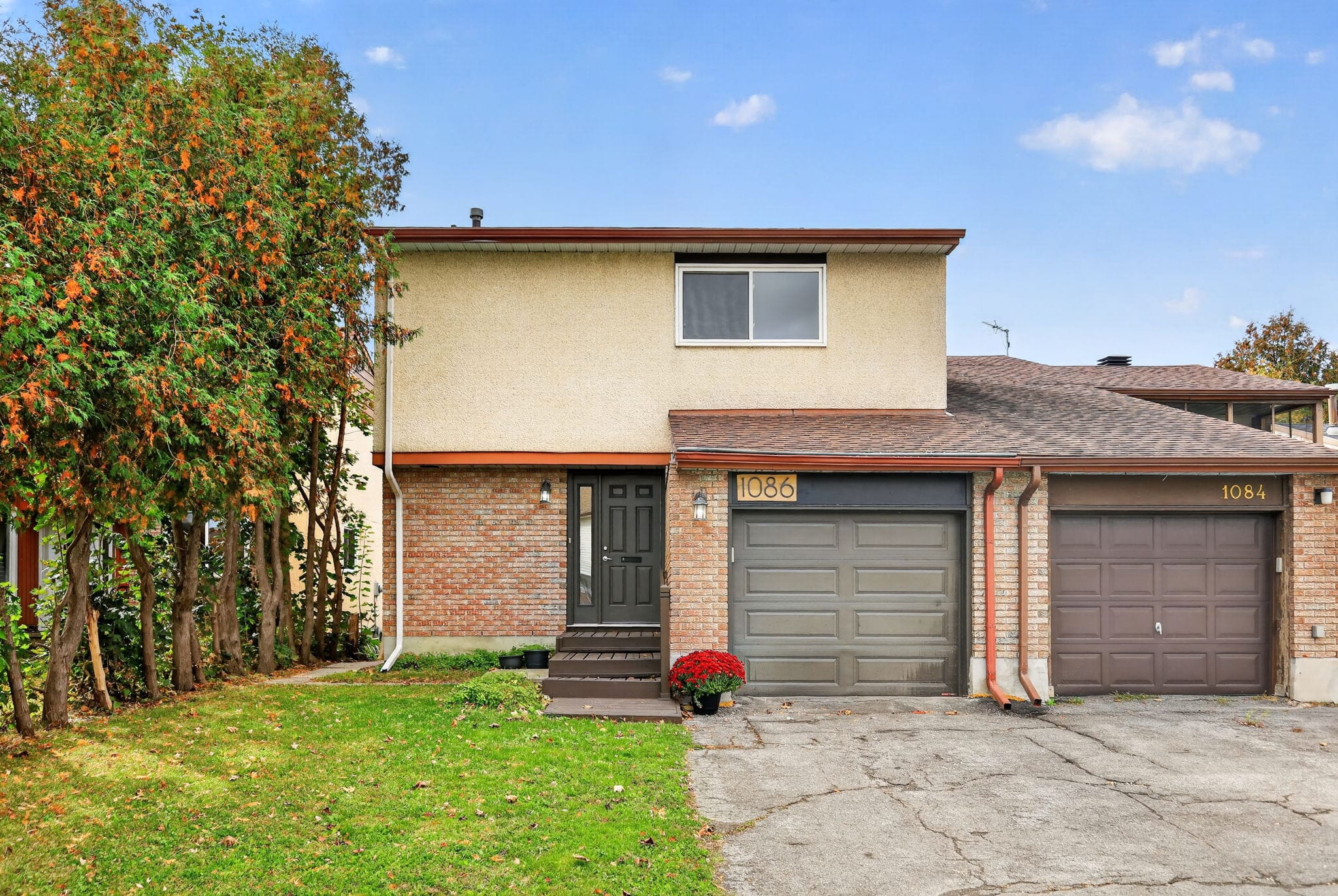
Single-family homes remain the most stable segment of the market.
Benchmark prices are slightly up year over year, and inventory remains well balanced. Limited supply and consistent demand continue to support this part of the market.
Townhomes
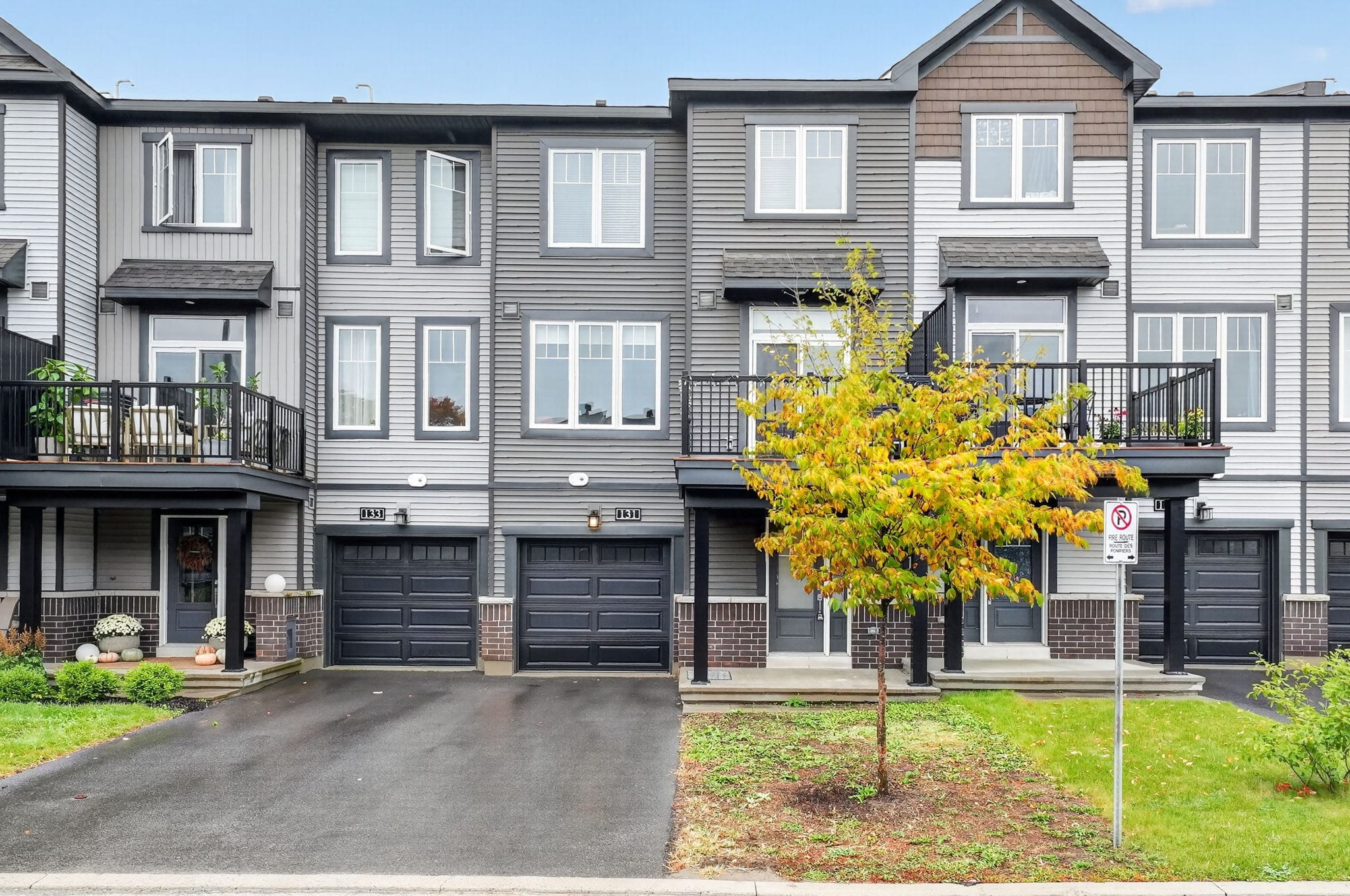
Townhomes are seeing more adjustment. Inventory is slightly elevated, and benchmark prices are down compared to last year, though average prices have only dipped modestly. Continued demand from first-time buyers has helped keep this segment active, even as pricing becomes more competitive.
Condos (Apartments)
Condos remain the softest part of the market.
Months of inventory are nearing eight, which is well above balanced conditions. While Ottawa hasn’t seen the same level of condo oversupply as some larger cities, this is the segment buyers should watch closely — and where negotiation power is currently strongest.
What This Means Heading Into 2026
As we move into the new year, any increase in activity is likely to be gradual rather than sudden. Interest rate relief has helped stabilize confidence, but buyers are still cautious and paying close attention to the broader economy.
What we expect to see is a market with small ups and downs, but an overall theme of steadiness — especially in the detached and townhome segments. Condos will likely continue to face more pressure until supply and demand move closer to balance.
The Bigger Picture
The most important takeaway from 2025 isn’t about prices or sales counts.
It’s that Ottawa’s market is once again being shaped by everyday decisions: growing families, downsizing, job changes, lifestyle moves — real stories, not rush.
At Goodstory, that’s the kind of market we believe in. One where people can make thoughtful choices, ask good questions, and move forward with confidence.
If you’re thinking about making a move in 2026 and want to understand what this market means for your own situation, we’d love to help you write the next chapter of your story.