August brought a noticeable shift in Ottawa’s real estate market.
After a small improvement in July, home sales pulled back sharply last month, with 1,002 homes sold through the MLS® System — an 18.6% decrease from August 2025 and a 24.4% drop from July. It was also the lowest August sales count since 2016, tied with 2022.
The interesting part? Prices have remained remarkably steady.
The average sale price in August was $688,253, up 0.3% from last year, while the MLS® benchmark price increased 1.0% year over year to $637,700. The median price was slightly softer at $622,357, down 1.2% from August 2025.
So while fewer homes are changing hands, there hasn’t been a broad-based drop in values.
More choice, less urgency
The biggest story in August may actually be the changing balance between buyers and sellers.
There were 4,496 active listings across Ottawa at the end of the month. That’s 11.3% more than this time last year, even though active inventory actually declined slightly from July.
At the same time, new listings were down 16.2% from July.
With sales falling much faster than listings, Ottawa’s months of inventory jumped from 3.5 to 4.5 months. That’s a significant one-month change, particularly because the typical July-to-August movement over the previous decade was essentially flat.
In practical terms, buyers are generally facing less competition and more time to make decisions, while sellers are facing more competition for the buyers who are in the market.
That doesn’t necessarily mean prices are falling. Instead, it suggests the market is becoming less urgent and more selective.
Not every home is experiencing the same market
The overall numbers also hide some important differences between property types.
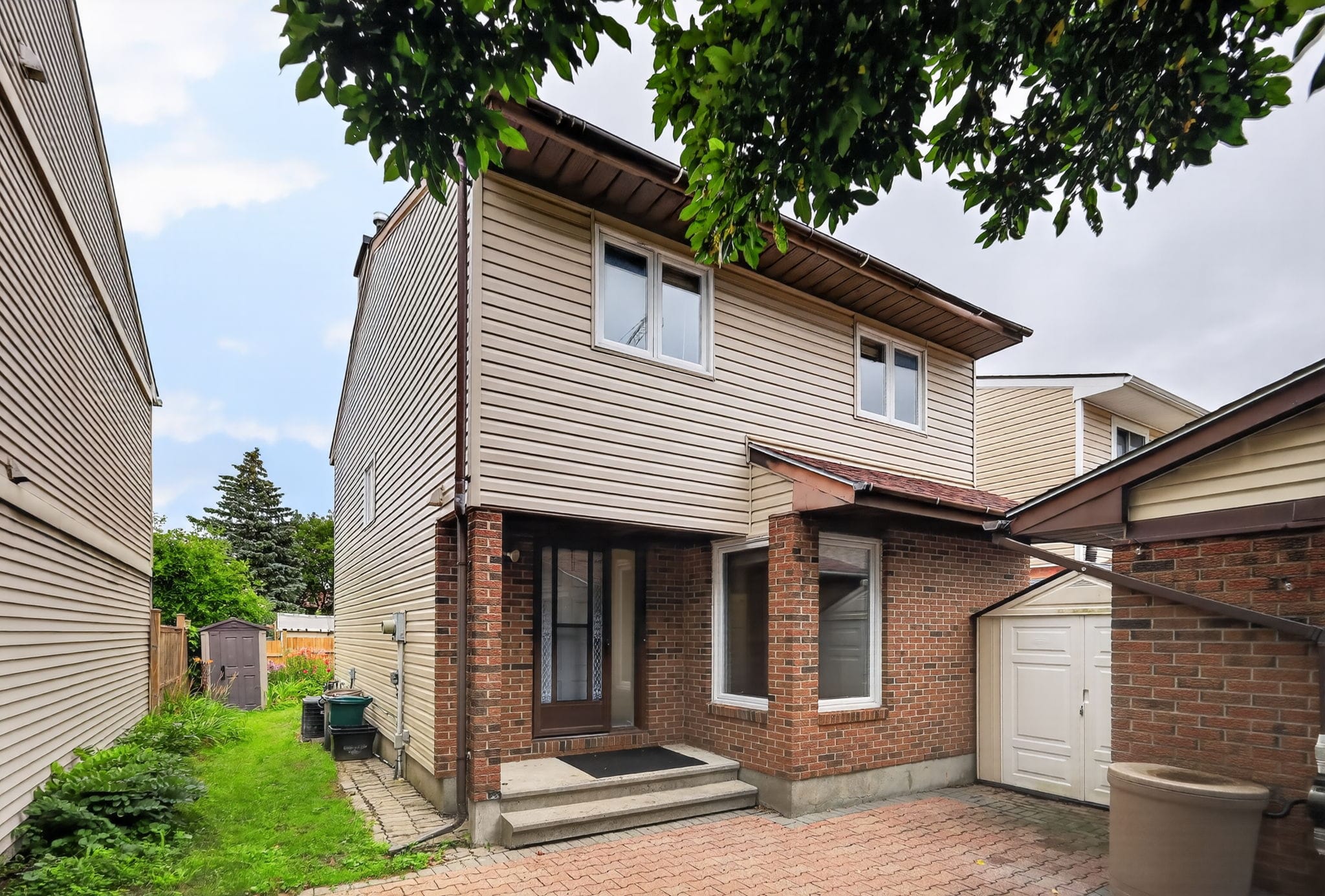
Single-family homes continue to show the most stability, with the benchmark price up 2.2% year over year and 4.0 months of inventory.
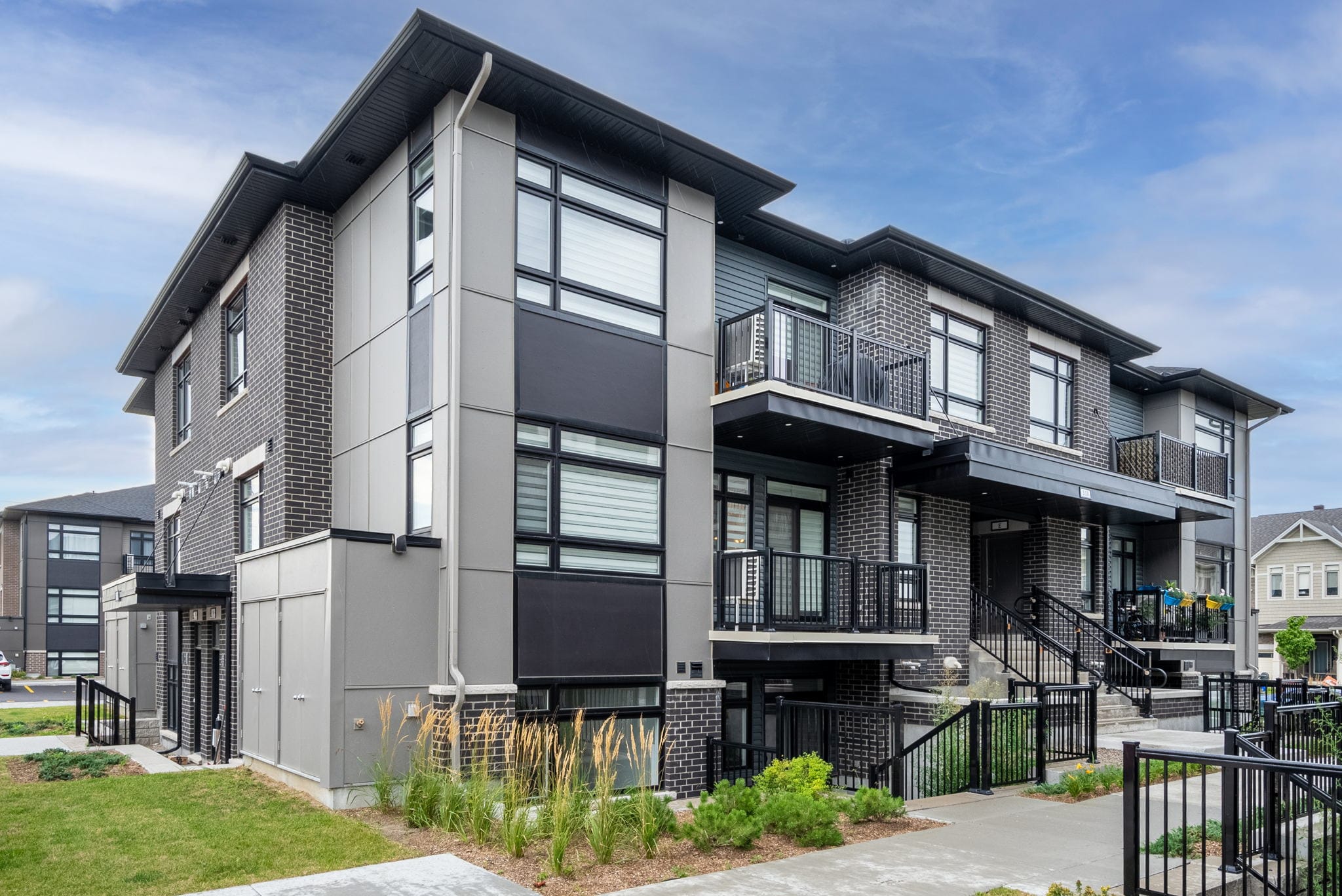
Townhomes are showing more signs of softness. Their benchmark price was down 4.0% year over year, while active listings were 27.1% higher than last August.
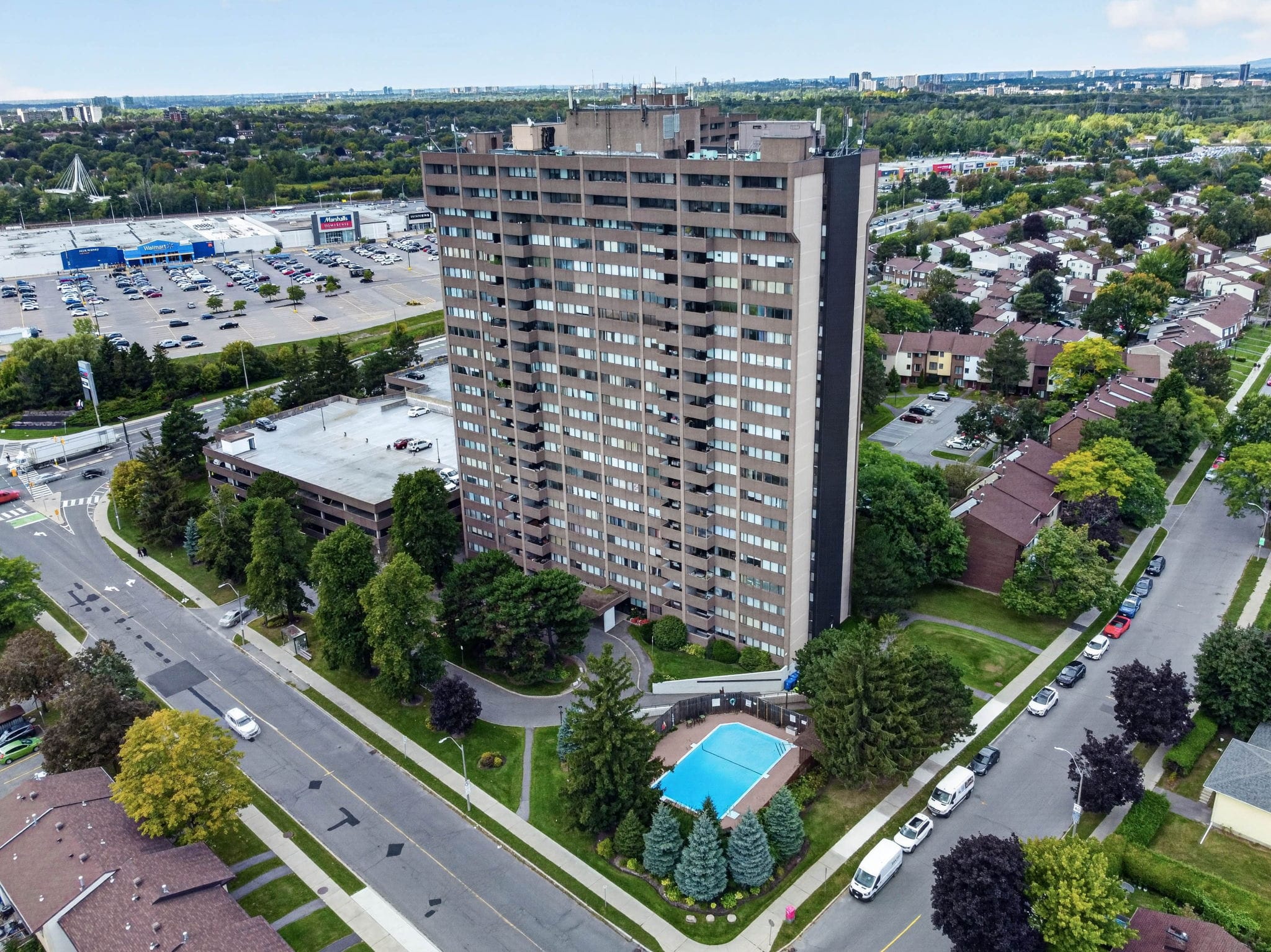
Apartments remain the softest segment, with 6.3 months of inventory and a median of 42 days on market. That said, there were a few encouraging signs in August: active listings declined from July, the sales-to-new-listings ratio improved slightly and the apartment benchmark price rose 1.9% month over month.
Geographically, the story varies too. Ottawa’s suburban markets continued to account for the majority of sales, but all three experienced year-over-year declines. Ottawa Centre and Rural East showed some of the highest inventory levels, while western suburban and rural markets continued to see relatively stronger absorption.
What does this mean heading into fall?
August is a reminder that Ottawa’s market isn’t moving in one simple direction.
Sales are clearly softer, inventory is elevated and buyers have more leverage than they did during the busier markets of previous years. At the same time, prices have held relatively steady, and there are still areas and property types where demand remains comparatively strong.
The other interesting signal is what is happening to listings that don’t sell. OREB data suggests that terminations, cancellations and expirations have become more prominent relative to completed sales through the summer. That could indicate that some sellers are choosing to pause, reassess their plans or reconsider their pricing rather than continue competing in the current environment.
And that’s something we’ll be watching closely this fall.
The broader Canadian economy is showing some signs of improvement, but uncertainty remains. CMHC expects Ottawa-area sales to stabilize while increasing supply limits significant price growth, while national forecasts point toward a gradual, uneven housing recovery.
For Ottawa, the big question is whether August was simply a softer month or the beginning of a more sustained shift in market conditions.
One month doesn’t establish a trend. But with sales down significantly, months of inventory rising and the year-to-date sales gap widening to 6.9% below 2025, August has certainly given us something to watch.
The fall market will tell us a lot.