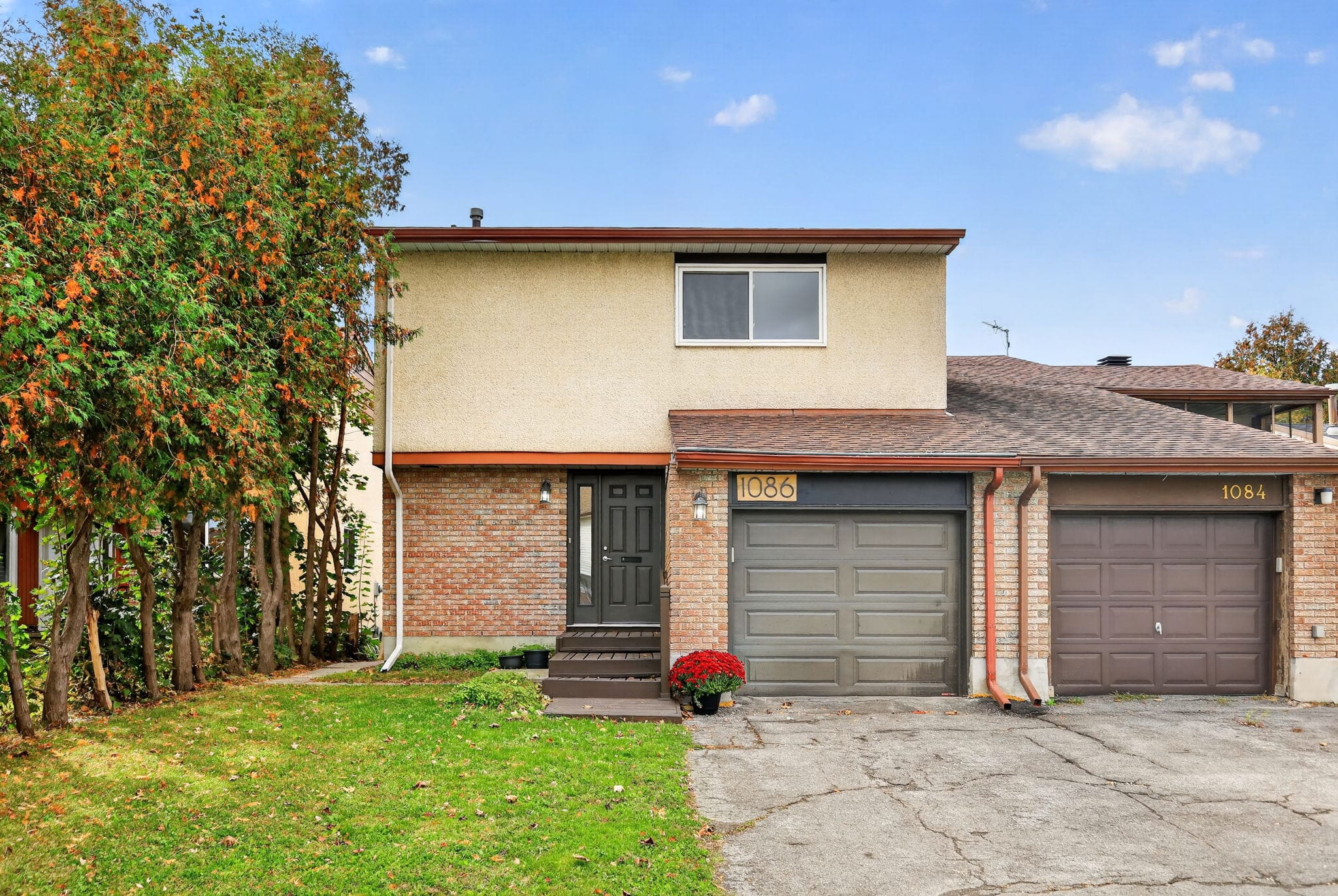
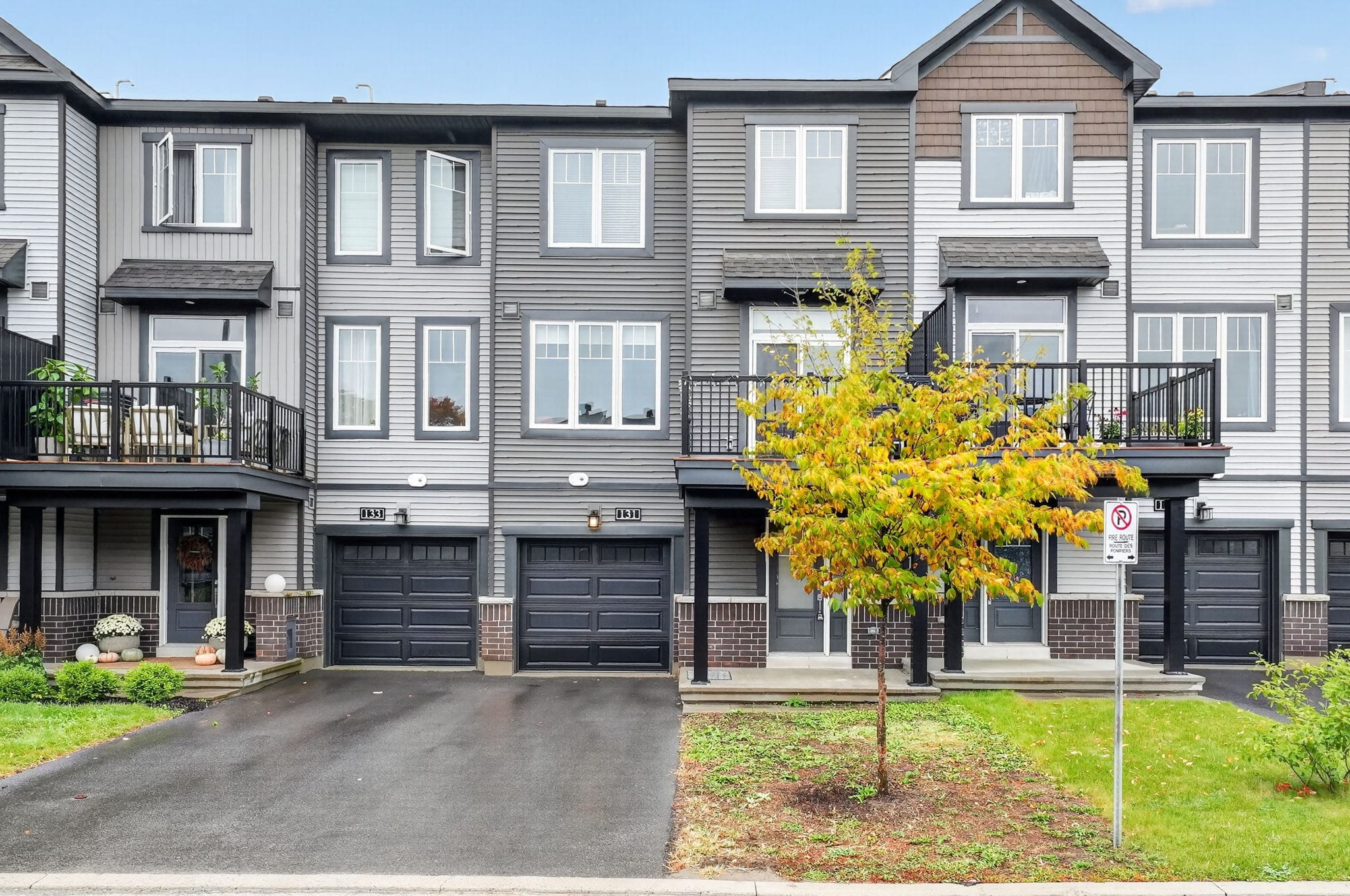
Ottawa’s housing market is beginning to find its rhythm again this spring.
After a slower and more cautious winter, April brought renewed activity across the city, with both buyers and sellers stepping back into the market. While sales remain slightly below last year’s pace, the broader picture points toward a market that is gradually stabilizing rather than sharply shifting in either direction.
In April 2026, 1,336 homes sold across Ottawa — a modest 1.9% decrease year over year, but a noticeable improvement from March. At the same time, new listings surged nearly 20%, pushing active inventory levels higher and continuing a trend that has been building since late summer 2025.
For buyers, this means more opportunity.
Unlike the ultra-competitive conditions seen during the pandemic years, today’s market offers greater flexibility, more homes to choose from, and slightly less pressure to make rushed decisions. Ottawa currently sits in balanced market territory, with a sales-to-new-listings ratio of 41% and 3.4 months of inventory overall.
Prices, meanwhile, have remained remarkably steady.
The average home price in Ottawa reached $712,184 in April, up just 0.8% compared to last year, while the median price held unchanged at $650,000. Benchmark pricing data also suggests that the market may be stabilizing after earlier softness, particularly in the freehold segments.
Not every corner of Ottawa is moving at the same pace, however.
The western suburbs continue to stand out as one of the stronger segments of the market, with more consistent demand and tighter inventory conditions. Across suburban east and south Ottawa, conditions remain generally balanced, though activity has moderated slightly.
Central Ottawa tells a different story. Condo-heavy neighbourhoods continue to experience softer demand and higher inventory levels, contributing to longer selling times and slower absorption rates. Rural markets are also moving more slowly, offering buyers increased negotiating power and a wider selection of properties.
One of the biggest themes shaping the market right now is supply.
Inventory has continued to rise throughout the spring, giving buyers more leverage while increasing competition among sellers. If this trend continues into the summer months, it could place additional pressure on pricing and influence seller expectations moving forward.
At the same time, a more stable interest rate environment may help support confidence. Earlier fears of rising rates contributed to cautious buyer behaviour during the winter, but with borrowing costs now holding steady, many buyers appear to be slowly re-engaging with the market.
Overall, Ottawa remains one of the more stable housing markets in Canada.
While economic uncertainty still exists nationally, the local market continues to show balanced conditions, moderate demand, and relatively stable pricing — a combination that suggests a healthier and more sustainable pace compared to the volatility of recent years.
As the spring market continues to unfold, inventory levels, buyer confidence, and regional differences across Ottawa will remain key factors to watch.